

 Rhinoplasty
 Otoplasty
 Blepharoplasty
 Face Lifting
 Buccal Lipectomy
 Abdominal Reshaping
 Buttock Reshaping
 Thigh Lifting
 Arm Reshaping
 Liposculpture & Liposuction
 Varicose Vein Removal
 Mommy Makeover
 Breast Reduction
 Breast Enlargement
Where on your body can you get liposuction?Men and
Women have chosen liposuction in their fight against pockets of stubborn fat

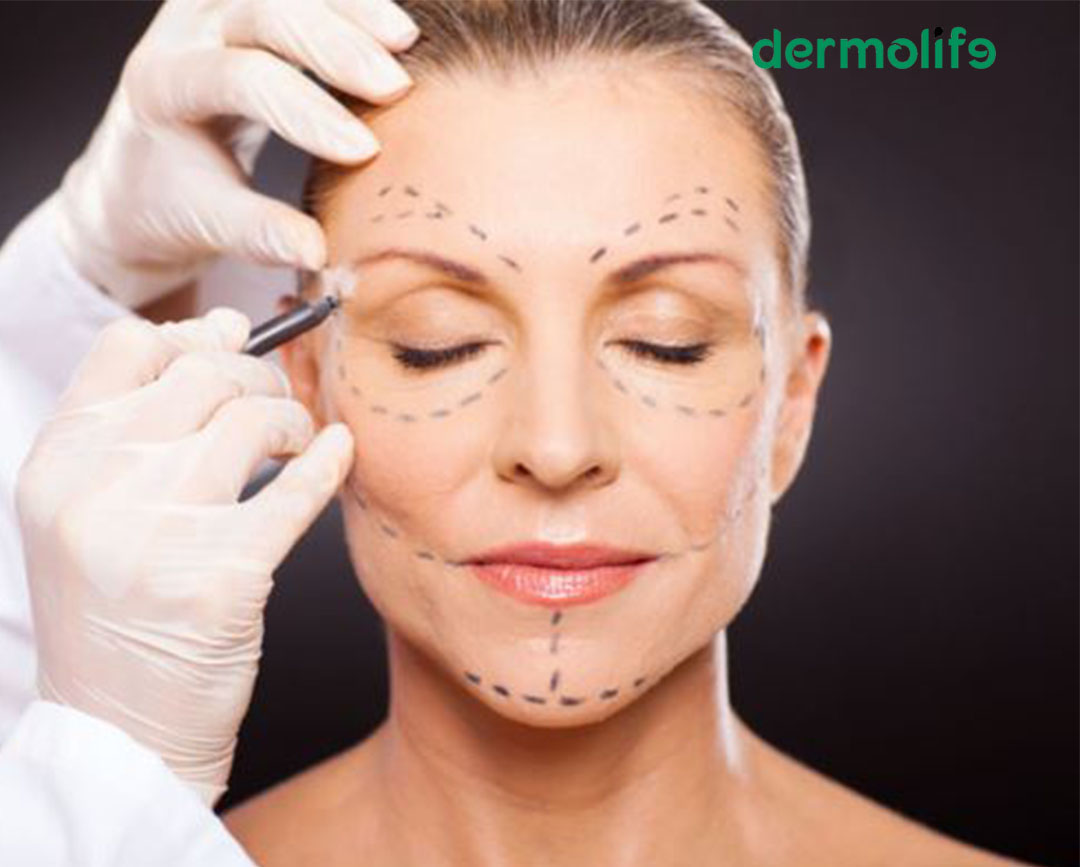
The answer is that a surgical facelift remains an excellent option for many women and men who
they want better facial definition, smoother skin and a more overall appearance
young. While there are numerous other options, facelifts are still the most effective way to
lift sagging facial tissue and eliminate sagging neck skin
to help you better understand the procedure and decide if it's right for you, here are some answers to some
of the main questions people have.
How do I know if I need a facelift?
When your daily regimen of creams and serums, or even non-surgical treatment options, no longer
seem to make a difference, it might be time to consider a
facelift procedure. If you have sagging skin that easily pulls away from your face and neck or hangs
loosely, a facelift is the only treatment option that can help. The procedure
facelift removes this extra skin, creating a firm, youthful appearance.
What happens during the surgery?
Several different techniques can be used during a facelift procedure, depending on the
cosmetic concern that the surgeon is correcting. After anesthesia has been administered,
incisions for a facelift are usually placed in the hairline around the
temple and go down to the lower scalp. During this procedure, the surgeon will sculpt
or it will remove fat, reposition underlying tissue, and lift facial muscles. It could
A small incision under the chin may be necessary to treat an aging neck. Once
Once completed, the incisions are closed with sutures or skin adhesives.
What about recovery and scarring?
After your facelift procedure, you can expect your lower face and neck to feel good
sore and tense for the first few days. Pain medications are generally prescribed and can
help relieve discomfort. It is advisable to take a couple of weeks off from work
to give yourself time to heal. You may be advised to avoid strenuous exercise
physical for at least three weeks. While individual healing times vary, within about 10
days, swelling and bruising should be minimal. Makeup is usually enough to
cover any signs of surgery until your face heals completely.
Because the incisions follow the hairline, facelift scars typically do not
they are evident. Even when a chin incision is needed, it should be placed for
follow the natural creases of the chin, hiding the scar.
When will I see real results?
You may see changes in your facial appearance immediately after the procedure, though
you will experience bruising and swelling for the first 2 weeks. Subsequently, any further
bruise can be covered with makeup. Your face may not look normal yet and it can
take 2 to 3 months to heal completely. Your face should look much younger
and toned and many patients are often able to take up to 10 years off their appearance.