

 Rhinoplasty
 Otoplasty
 Blepharoplasty
 Face Lifting
 Buccal Lipectomy
 Abdominal Reshaping
 Buttock Reshaping
 Thigh Lifting
 Arm Reshaping
 Liposculpture & Liposuction
 Varicose Vein Removal
 Mommy Makeover
 Breast Reduction
 Breast Enlargement
What is the Sleeve Gastrectomy weight-loss procedure?
When diets and exercise do not produce lasting results, sleeve gastrectomy is a modern, effective method to lose weight and improve health. The procedure reduces the stomach's capacity by removing approximately 75% of it and shaping the remaining part into a "sleeve" resembling a banana. With a residual volume of 30–150 ml (compared to the original 1.5–2 litres), patients feel full sooner and eat less.
During the procedure, the portion of the stomach that produces the hunger hormone (ghrelin) is also removed, helping to reduce appetite. Intestinal transit and absorption remain intact, so the risk of vitamin deficiencies is minimal.
Main advantages
- Does not alter the natural mechanism of the digestive system.
- Does not cause dumping syndrome or vitamin/mineral deficiencies.
- Lower incidence of reflux compared to other techniques and no foreign body implanted.
Possible disadvantages
Like any bariatric procedure it carries risks of bleeding and leakage along the suture line and is irreversible, unlike bypass. Post-operative reflux, nausea or vomiting are rare if dietary guidelines are followed. Approximately one in five patients experiences reflux in the first year, a figure that drops to 3% after three years.
Who is it suitable for?
- Patients with a very high body mass index.
- People with diabetes, hypertension or sleep apnoea.
- Patients with high anaesthetic risk due to cardiac or pulmonary problems.
- Standard candidates with an enlarged liver or requiring a staged approach.
How is the procedure performed?
Sleeve gastrectomy is a laparoscopic procedure: the surgeon makes small incisions in the abdomen, inserts a telescope with a camera and removes approximately 80% of the stomach. The procedure takes 1–2 hours and requires an average hospital stay of 2–3 days.
Ideal candidate
- BMI ≥ 40 or ≥ 30 with comorbidities (type-2 diabetes, hypertension).
- Good general condition for anaesthesia.
- Commitment to maintaining new lifestyle habits.
- Failed weight-loss attempts (at least 6 months) with diet, sport or medication.
Health benefits
- Sleep apnoea nearly eliminated within the first month.
- Type-2 diabetes: improvement in up to 95% of cases.
- Hypertension eliminated in 70% of patients.
- Reduced risk of heart failure and thromboembolism.
- Rapid normalisation of dyslipidaemia and peripheral oedema.
- Improvement of asthma, oesophagitis, osteoarthritis, fertility and quality of life.
How much weight is lost?
Patients lose on average 60–80% of excess weight within the first year, provided they combine the procedure with a balanced diet and physical activity.
Post-operative check-ups
- Follow-up visit 7–10 days after the procedure.
- Pre- and post-operative nutritional monitoring, at day 15 and after the first month.
- Periodic blood tests (blood sugar, insulin, liver enzymes, vitamins, kidneys).
- Body composition assessment to preserve muscle mass.
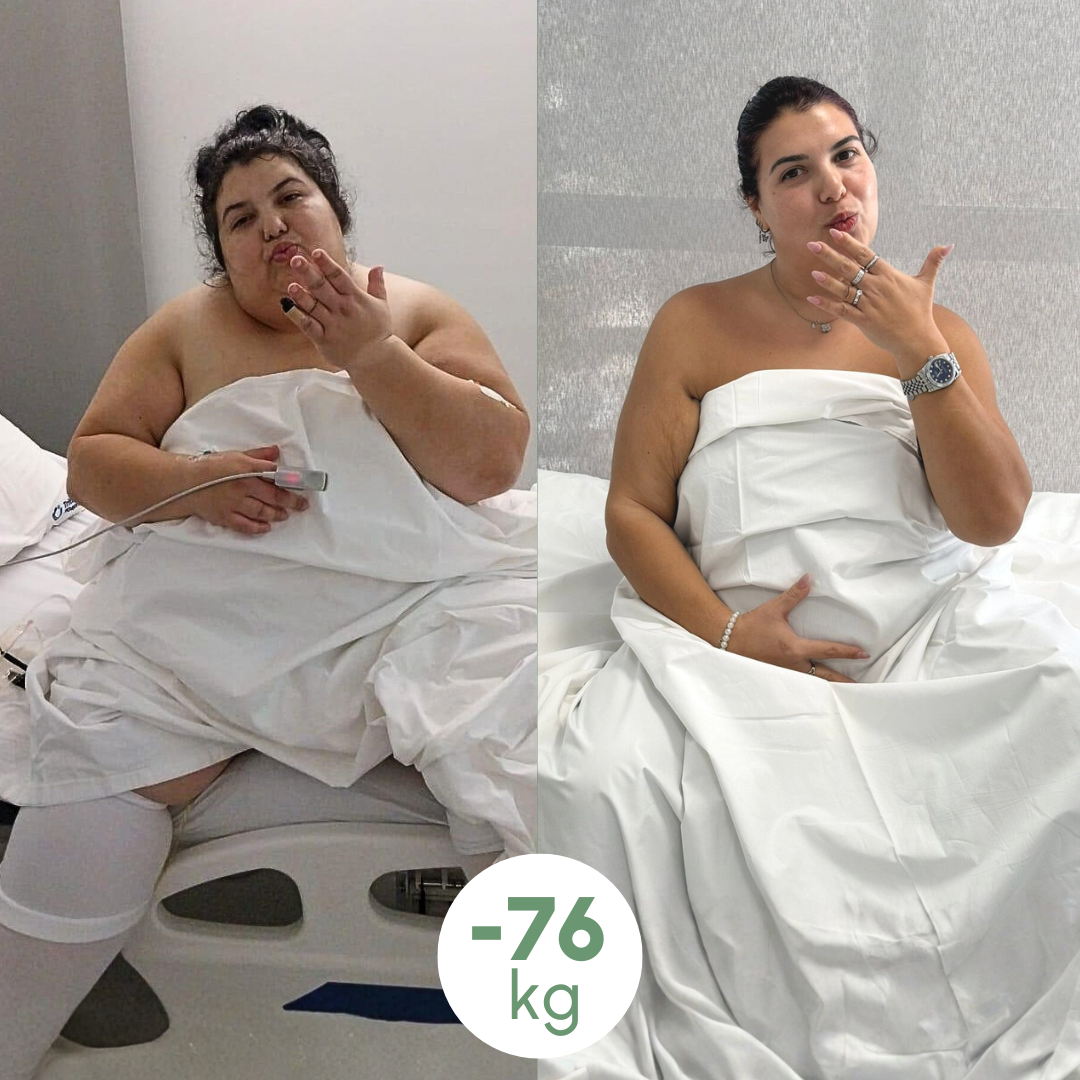




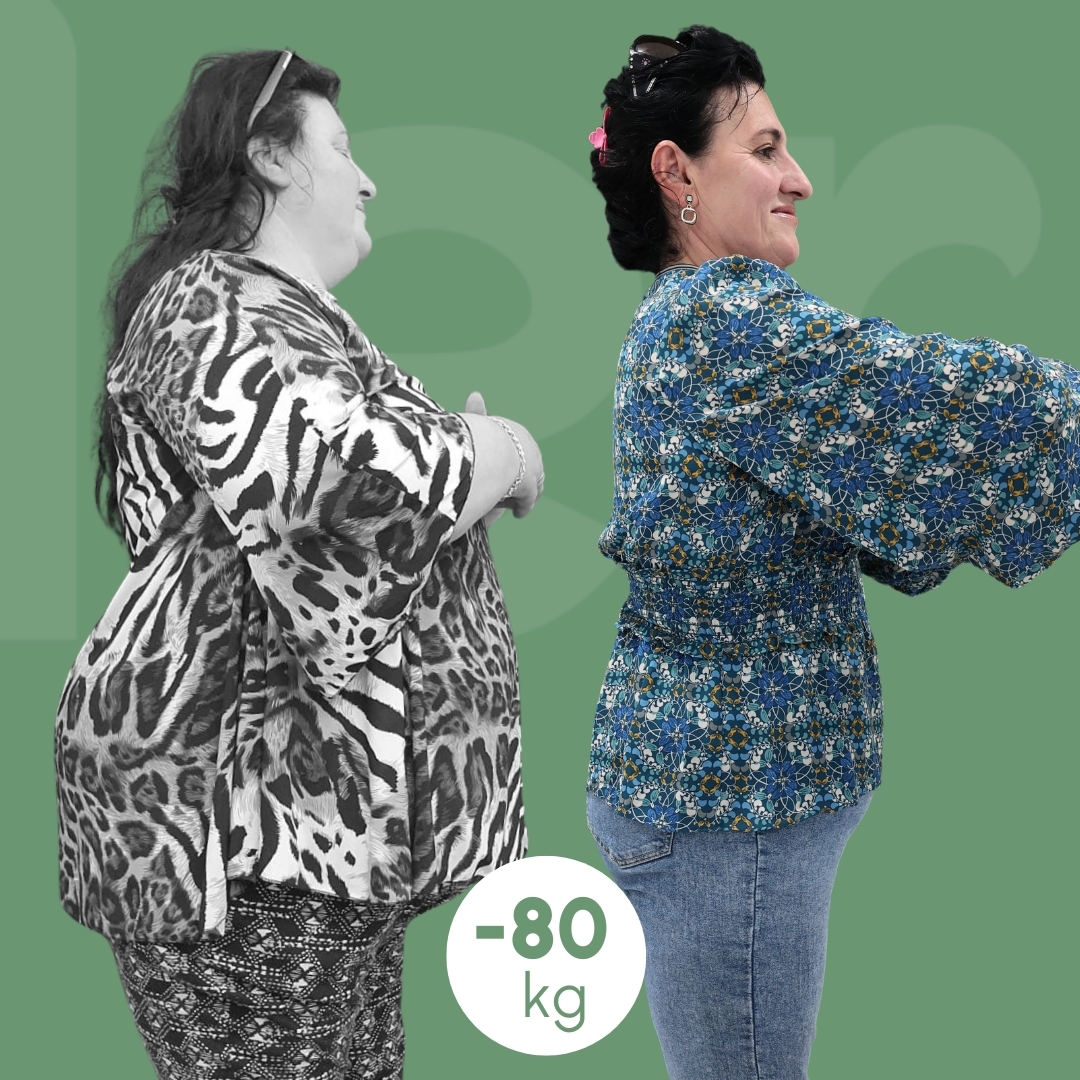
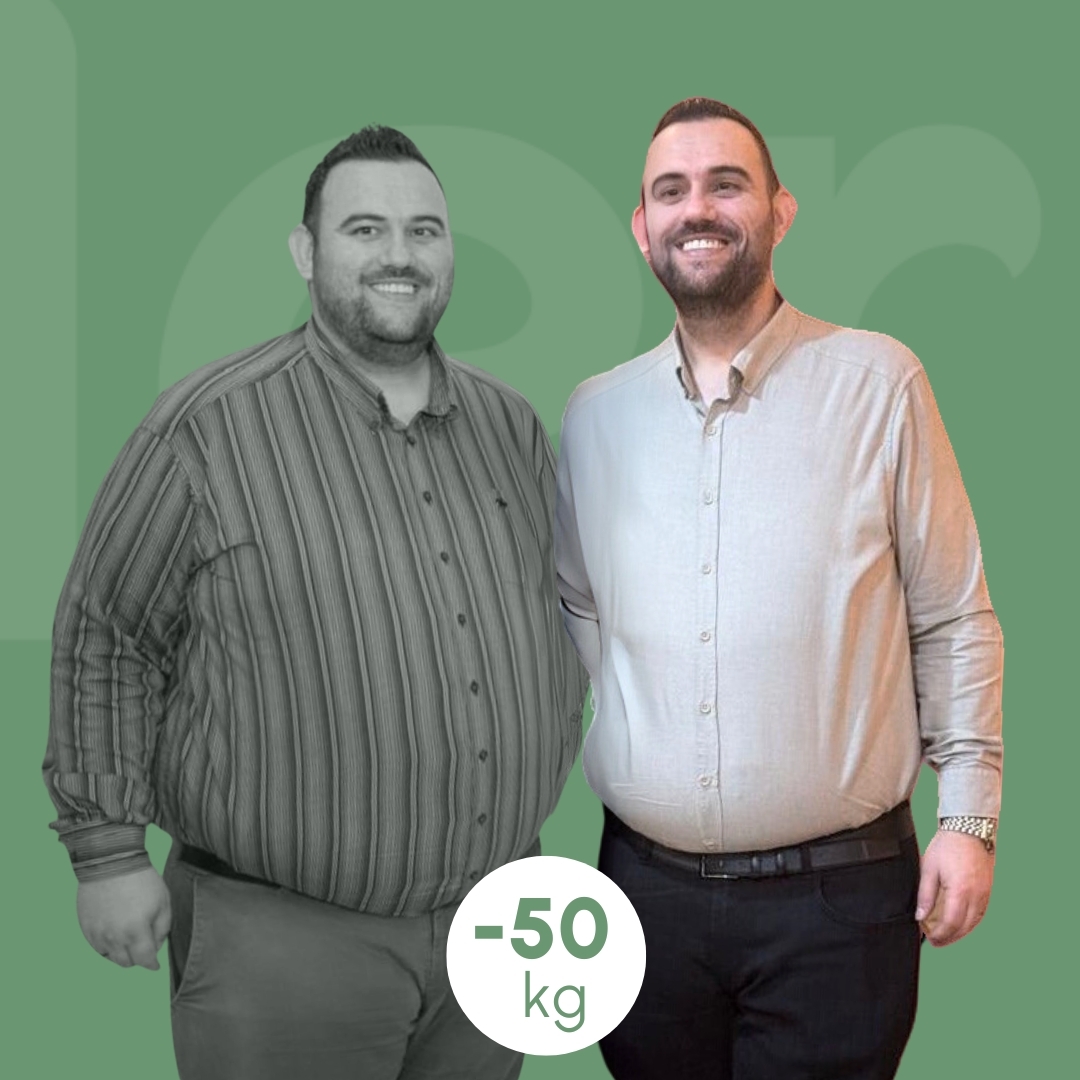
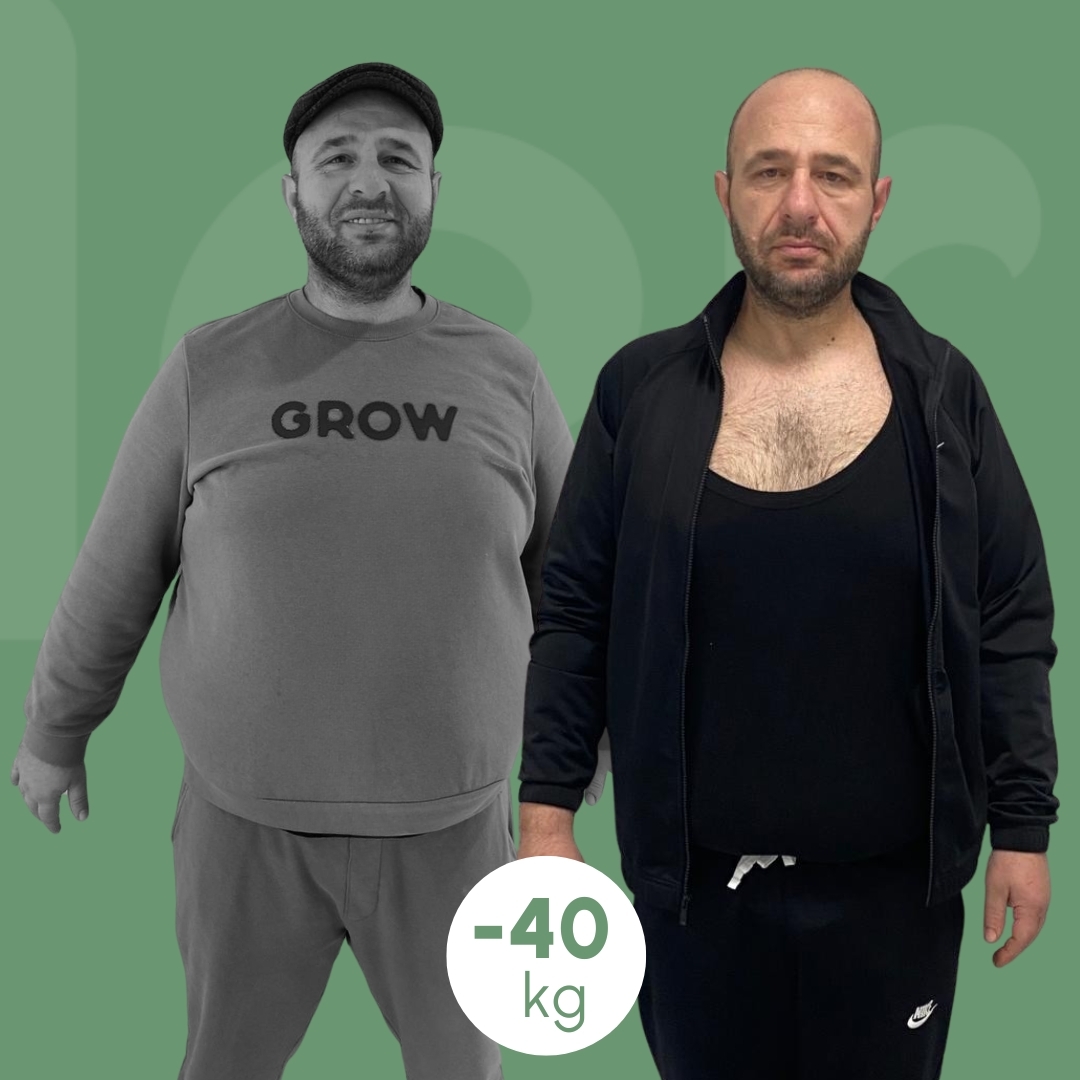

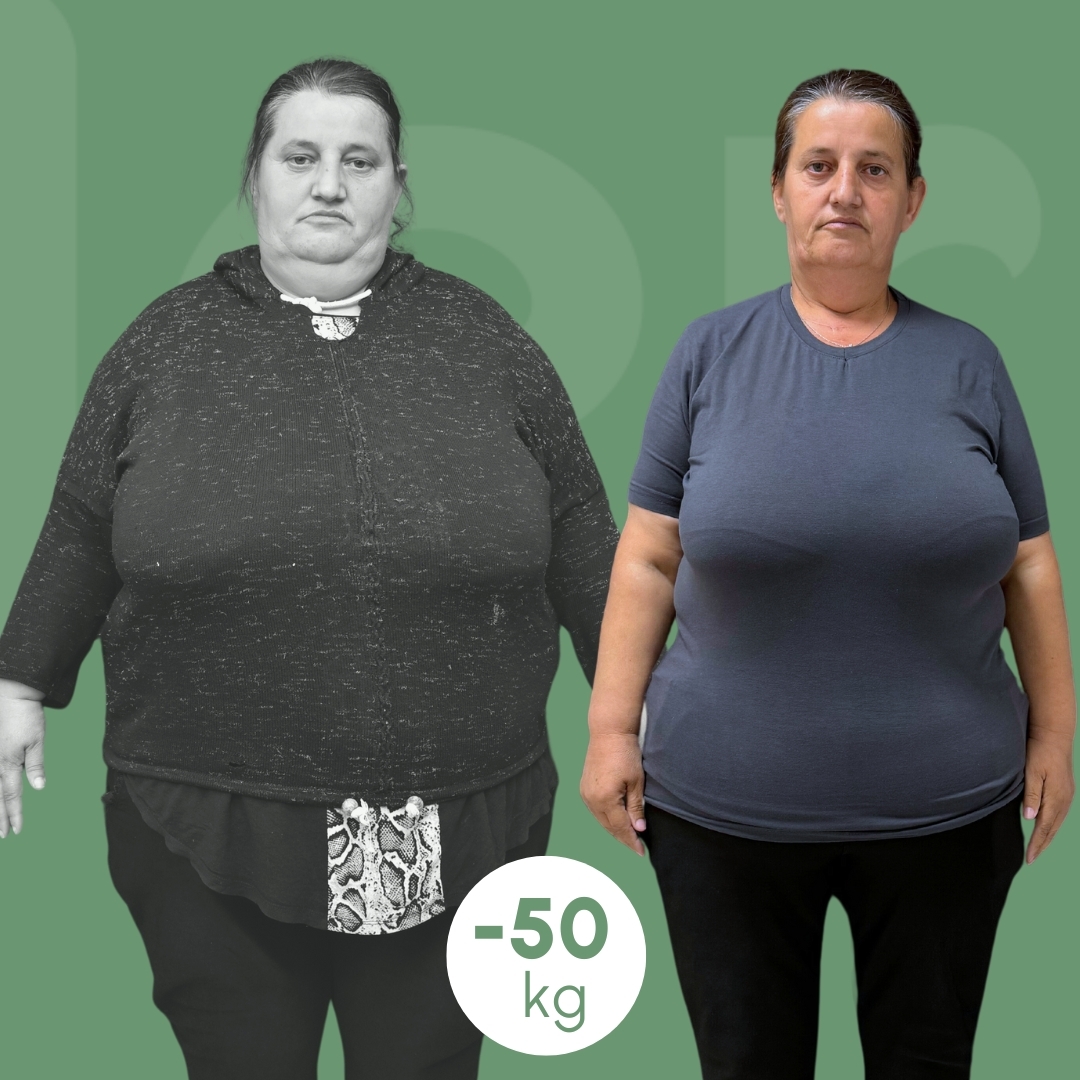
After Gastric Sleeve Surgery
Hospitalisation lasts on average 2–3 days. A progressive dietary plan is followed, from liquids to soft foods and then solids, with clinical and nutritional check-ups to support weight loss and prevent deficiencies.
PROCEDURE
1. CONSULTATION
Clinical history, eating habits, weight-loss attempts and medical conditions are assessed. The surgeon outlines the procedure, risks and benefits, defining realistic expectations and the support required post-operatively.
2. PROCEDURE
The procedure takes 1–2 hours laparoscopically: through small incisions the excess portion of the stomach is removed, reducing its capacity by 75–80% while preserving the normal intestinal path.
3. AFTER THE PROCEDURE
Hospitalisation lasts on average 2–3 days. A progressive dietary plan is followed (liquids, soft foods, solids) along with a programme of clinical and nutritional check-ups to ensure weight loss and prevent deficiencies.