

 Rhinoplasty
 Otoplasty
 Blepharoplasty
 Face Lifting
 Buccal Lipectomy
 Abdominal Reshaping
 Buttock Reshaping
 Thigh Lifting
 Arm Reshaping
 Liposculpture & Liposuction
 Varicose Vein Removal
 Mommy Makeover
 Breast Reduction
 Breast Enlargement
Where on your body can you get liposuction?Men and
Women have chosen liposuction in their fight against pockets of stubborn fat

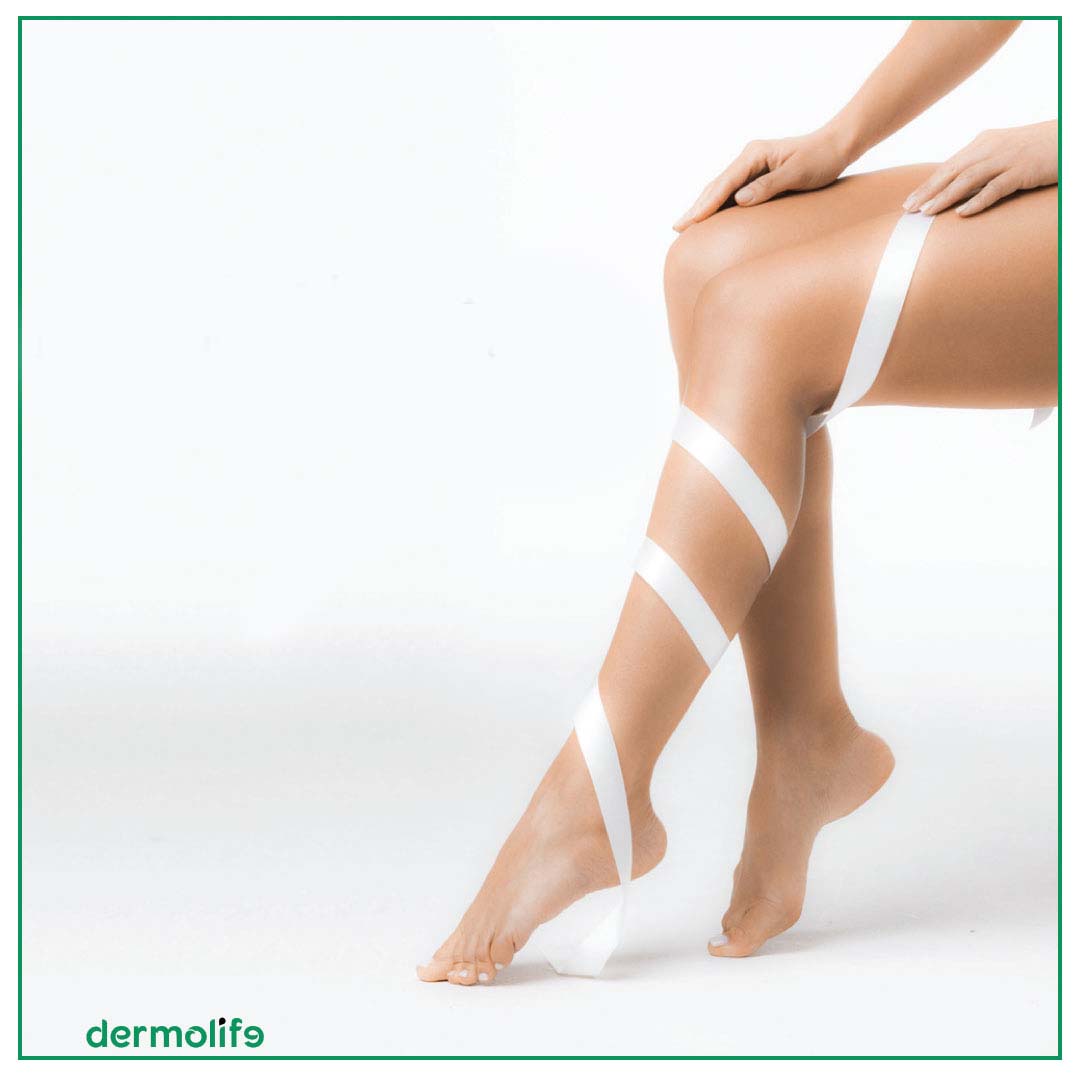
They affect four out of ten women, but varicose veins can be treated and prevented. Let's find out
how.
Summer is upon us and with it comes the desire to show off beautiful, fit legs. Not all
However, they have this possibility. The heat, in fact, favors a rather annoying disorder,
chronic venous insufficiency of the lower limbs and its manifestations, one of which, the most
common, are “varicose veins”.
Varicose veins (or varicose veins) are tortuosities, dilations evident on the course of the
main superficial veins of the leg. They represent a very common pathological condition
and widespread, especially in industrialized countries. They affect women more frequently, and up to
to one in two people over fifty years of age.
Their appearance seems to be favored by various factors: genetic predisposition, pregnancy,
hormonal factors, but also poor nutrition, excess weight, sedentary lifestyle and smoking.
Among the behavioral and environmental factors that favor the appearance of varicose veins there is also
standing without moving for prolonged periods. This condition, typical of some
professions, reduces the blood pumping activity upwards of the calves, resulting in a
stagnation of blood in the veins of the lower limbs which, over time, damages the valves of the veins
favoring varicosity.
Pain, feelings of fatigue and heaviness in the legs, night cramps, tingling and swelling
ankles: these are the symptoms commonly reported by people affected by this
pathology. Symptoms that tend to get worse as time passes and generally become worse
especially in summer with the heat, when the veins, due to the high external temperatures, tend
to expand further. The varicose veins thus become more evident and "palpable", sometimes even
painful.
What are the good rules for prevention first, and then for the management and treatment of
varicose veins?
The first preventive measure to be adopted, useful for the entire population, essential for
those who are familiar, it is the correct lifestyle.
Follow an adequate diet, such as the Mediterranean diet, which provides the right benefits
nutrients without causing weight gain. Reduce alcohol-based drinks. Abolish smoking.
Remember to do physical activity, even a simple daily walk. All this can
make a difference!
Dressing appropriately can also help. Those suffering from chronic venous insufficiency must
in fact, avoid using constrictive clothing that wraps and tightens the abdomen and legs
such as shoes that are too tight or with heels that are too high.
If work or study forces you to sit for a long time, you must force yourself to get up
regular intervals and take a few steps, in order to reactivate the venous return. If you are
forced to stand for long periods of time, the important thing is to avoid immobility, even just by making yourself small
movements and movements of the legs.
Sleep with the bed raised in the foot area, or place pillows
under your feet so that they are in a higher position than the heart, is another useful habit to
follow.
Treatments for varicose veins
Sclerotherapy - is a medical procedure used to treat blood vessel malformations,
such as varicose veins (or spider veins), telangiectasias and hemorrhoids. From the point of view
practical, sclerotherapy consists of injecting, inside the malformed vessel or vessels (whether
they are veins, venules, arterioles or capillaries) a particular solution, capable of causing the
closure and collapse.
Phlebectomy - is used to treat veins that have become protruding and forming
noticeable bumps on the surface of the skin. Although varicose veins may appear
everywhere, they are usually more common in the legs, as standing involves greater
pressure in the veins. The veins are removed through small incisions in the skin.
Stripping - is a surgical procedure used in the treatment of varicose veins. This
procedure has long represented the standard technique for surgical treatment of
varicose veins; today it is to be considered an alternative technique to modern obliterative procedures
endovascular.