

 Rhinoplasty
 Otoplasty
 Blepharoplasty
 Face Lifting
 Buccal Lipectomy
 Abdominal Reshaping
 Buttock Reshaping
 Thigh Lifting
 Arm Reshaping
 Liposculpture & Liposuction
 Varicose Vein Removal
 Mommy Makeover
 Breast Reduction
 Breast Enlargement
Where on your body can you get liposuction?Men and
Women have chosen liposuction in their fight against pockets of stubborn fat

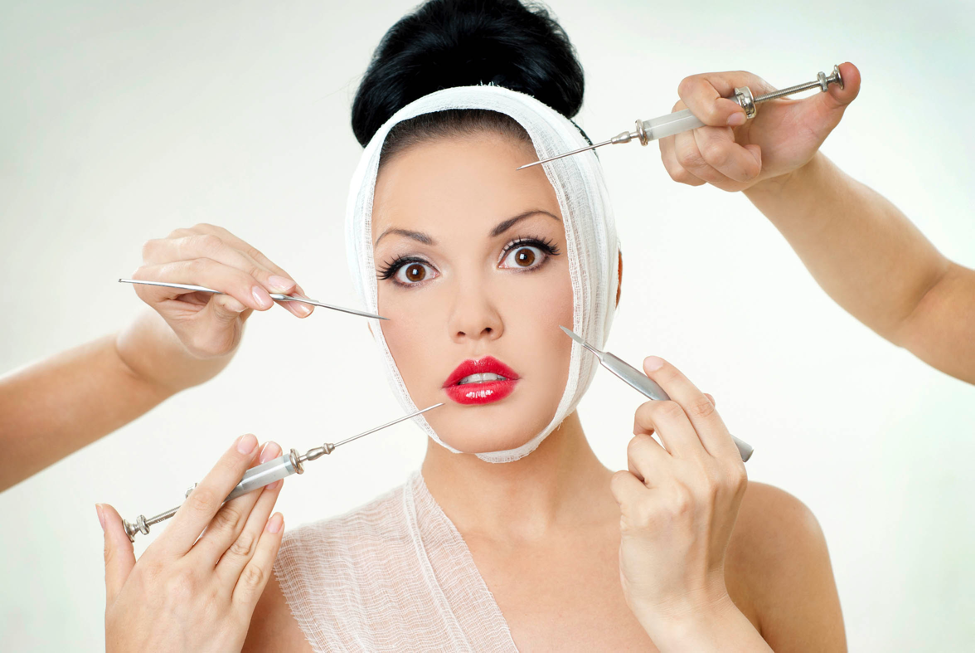
Too often we hear people talk about it, write about it on social networks but, above all, demonize it on TV
plastic surgery. And too often the beliefs and messages that are transmitted are either negative or negative
they are wrong. Advertising slogans, gossip, false news and mere illusions mix with the truth
information and real objectives. Misinformation reigns supreme. And so does the plastic surgeon
he is the magician of the stars, capable of working miracles, the alchemist who discovered the elixir of life,
the one who is capable of satisfying even the most demanding and extravagant expectations. Surgery
plastic is none of this: no miracles but an aid to the beauty of a face that clouds over,
to the harmony of a body that gives in, it is the conscious choice of a way to be able to feel better with oneself
themselves, without exaggeration. And for this reason I enjoyed writing the decalogue of the good surgeon
plastic, for everyone's sake...
1. Plastic surgery is serious business. When you choose to undergo a
intervention is done with careful calm, without pressure, choosing the most appropriate moment. For
this is ridiculous as well as dangerous to let yourself be duped by "last-minute" offers, "travel
intervention-holidays” or “groupon”. A relationship of trust and dialogue must be established between the surgeon
and patient both pre- and post-operatively. It is essential that interventions are carried out in environments
suitable that guarantee the quality standards of materials used and healthcare facilities.
2. An intervention is not a walk in the park. Limits and complications of a surgical operation
should be discussed in detail during preoperative visits. Often the basis of a complaint and
of an insurance compensation there is a lack of clarity and the absence of consensus
informed, signed by the patient, describing the main complications of the operation which
they can be generic and common to any surgical procedure, or linked to the type of anesthesia,
or specific to the surgical technique.
3. Scalpels, syringes and electro-medical equipment are not "magic wands". The
skin can be stretched, inflated, reduced, the volumes can be increased, plumped, but everything
within certain limits depending on the type of tissues treated, the healing processes and the
long-term results. Symmetry is almost impossible and retouching, in cosmetic surgery,
may be necessary, regardless of the surgeon's work.
4. Liposuction is not the shortcut to losing weight. It is indicated in cases of accumulation
localized adipose tissue in order to make the silhouette more harmonious. It is not indicated in the
severe obesity although liposuction, in targeted areas, induces an aesthetic improvement of an area
of the body which can psychologically stimulate the obese patient to undertake or continue a
dietary path and a new lifestyle.
5. Breast augmentation: implants, breastfeeding and duration. These are the three questions that
the women ask the surgeon. The prostheses are safe, many implants have the CE mark
approved for medical use and subjected to scientific research and testing. It is now scientifically
demonstrated that there are no relationships with the onset of cancer or other diseases. With prosthetics, yes
can breastfeed, especially when these have been positioned in the retropectoral position and the way
access has not altered the milk ducts.
6. Aesthetic medicine equals swollen faces! Incorrect. Too often we have become accustomed to seeing
puffy faces, excessively pumped cheekbones or lips, smooth and friendly foreheads. This is due to
excessive doses of botulinum toxin and exaggerated infiltrations of hyaluronic acid, if not
even silicone. As with any medical or surgical treatment, the key word is
naturalness, harmony, balance of the result that depend on the aesthetic sense and skills
professionalism of those who carry it out and the expectations of the result.
7. A myth that needs to be dispelled is that plastic surgery is too expensive. Plastic surgery
it is not a luxury reserved for the few. Many procedures, thanks to the technology and methods of
anesthesia, have been made less invasive and therefore more accessible. And with the crisis, the price of
many interventions has been lower than in the past. However, you need to pay attention to offers
specials and prices that are too low, which almost always come at the expense of quality.