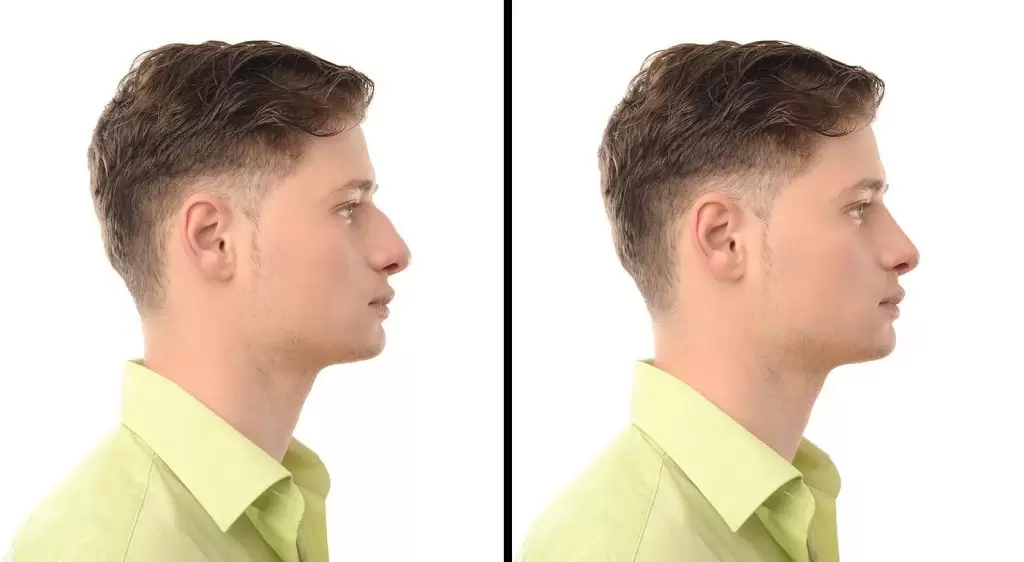
 Rhinoplasty
 Otoplasty
 Blepharoplasty
 Face Lifting
 Buccal Lipectomy
 Abdominal Reshaping
 Buttock Reshaping
 Thigh Lifting
 Arm Reshaping
 Liposculpture & Liposuction
 Varicose Vein Removal
 Mommy Makeover
 Breast Reduction
 Breast Enlargement
Where on your body can you get liposuction?Men and
Women have chosen liposuction in their fight against pockets of stubborn fat

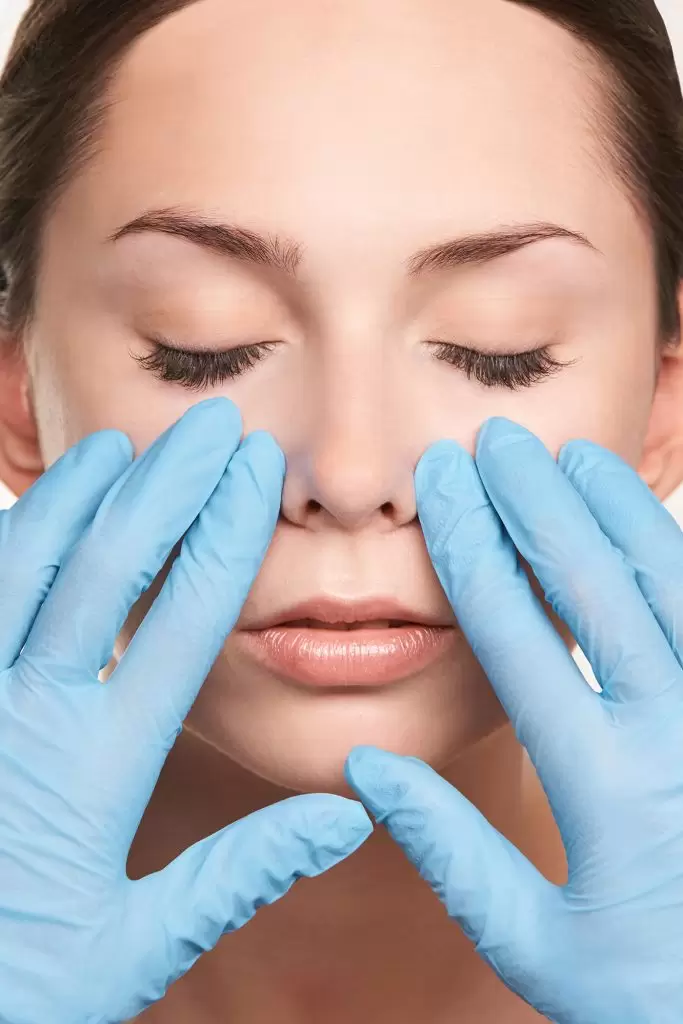
Rhinoplasty is a very common surgery that is performed to reshape the nose,
both for aesthetic reasons and to correct some aspects related to respiratory disorders. One
One of the most asked questions, however, is: how does the face change with rhinoplasty? The nose is right at the
center of our face and its shape can make a huge difference in our expression and
also in the image we have of ourselves. It is precisely for this reason, in fact, that we turn to a
surgeon: because we don't like the nose we have, it doesn't reflect us. Let's see how one changes
rhinoplasty, before and after.
RHINOPLASTY: BEFORE THE OPERATION
Surgical reshaping of the nose is very common, but it is still a surgical procedure to which
pay attention. It is very important, in fact, to rely on expert medical personnel who will evaluate
all the tests to be subjected to the patient and who will have to understand their needs. Rhinoplasty is coming
performed both for purely aesthetic reasons and to correct functional imbalances. When yes
It also intervenes on the septum and is called rhinoseptoplasty. The surgeon, first
of the operation, not only examines your state of health, but carefully studies the form
of the face. Medical considerations will aim to approach the patient's requests, without
distort its physiognomy. Once the shape of the nose has been decided together, we will proceed with the actual surgery
own.
RHINOPLASTY: IMMEDIATELY AFTER THE OPERATION
Rhinoplasty has made great strides over the years and recovery is increasingly painless. The
first 48 hours are for rest, preferably with the head raised. From the third day, you can resume
one's normal life, albeit with some precautions, such as avoiding intense sports, saunas,
hot drinks and sun exposure. It is precisely in the first days that the appearance of the nose can
intimidating, but should not cause any concern. In fact, they appear in the first 48 hours
swelling and bruising around the eyes. The nose is still covered with a small cast, but it can
appear more swollen. This effect is only temporary and should absolutely not be confused with the
final result. The cast is usually removed after a week. At this point
of the post-operative course, the nose may still appear slightly swollen, but it is destined to
quickly gain the harmonious shape agreed between surgeon and patient.
RHINOPLASTY: WHAT HAPPENS AFTER THE OPERATION
After a couple of weeks after the operation, the nose finally healed. The new form will be
finally closer to the patient's canons and even the face will have gained a new expression,
without distorting its characteristics. This is precisely the sign of a job well done: the
there is correction of the nose, but the result never appears artificial. A good rhinoplasty job,
in fact, it takes into account precisely this: correcting problems, aesthetic or functional, with respect
always the overall line of the face and the patient. For this reason, and thanks to its progress
recent years, it is the treatment of choice for those who want to correct a:
• aquiline nose
• bulbous nose or fleshy tip
• deviated nose
• nose disproportionate to the face
• nose with wide nostrils
• nose with nasal hump (the classic “hump”).
Comparing before and after rhinoplasty photos can be helpful in understanding the difference a
good intervention can be done and the type of shape that is preferred, but sometimes it can also be
misleading. Each surgery is different, because every face is different. It is useful to contact the
surgeon with clear ideas, but also with the awareness of being able to speak and discuss openly
of any doubt, allowing us to advise you on the form.